A PhD in Denmark is a three year program, usually structured around 3 projects. My first project
of my PhD was to investigate the feasibility of using tethered profilers in Danish waters. (I
was very lucky to be jumping into a project that was already ongoing between fantastic
colleagues in DTU and the Danish environmental ministry).
What is a profiler? Profilers are autonomous data collection robots in the ocean. By profiling,
it means that they have the ability to move up and down the water column (profiling) and collect
data. In most cases when oceanographers talk about profilers, they mean Argo Floats.
There are about 4000 Argo floats (late 2025 numbers) floating around in the world, these are
profiling floats that are part of the Argo program, which is a world wide program for collecting
data in the open ocean. For a float to be in the Argo program, they have to move up and down the
water column (to very deep 2000 m depths) periodically collecting data on 10 day cycles, usually
on the temperature and salinity of the water column, and send it back via satellite to
datacenters where it’s processed and available really quickly.
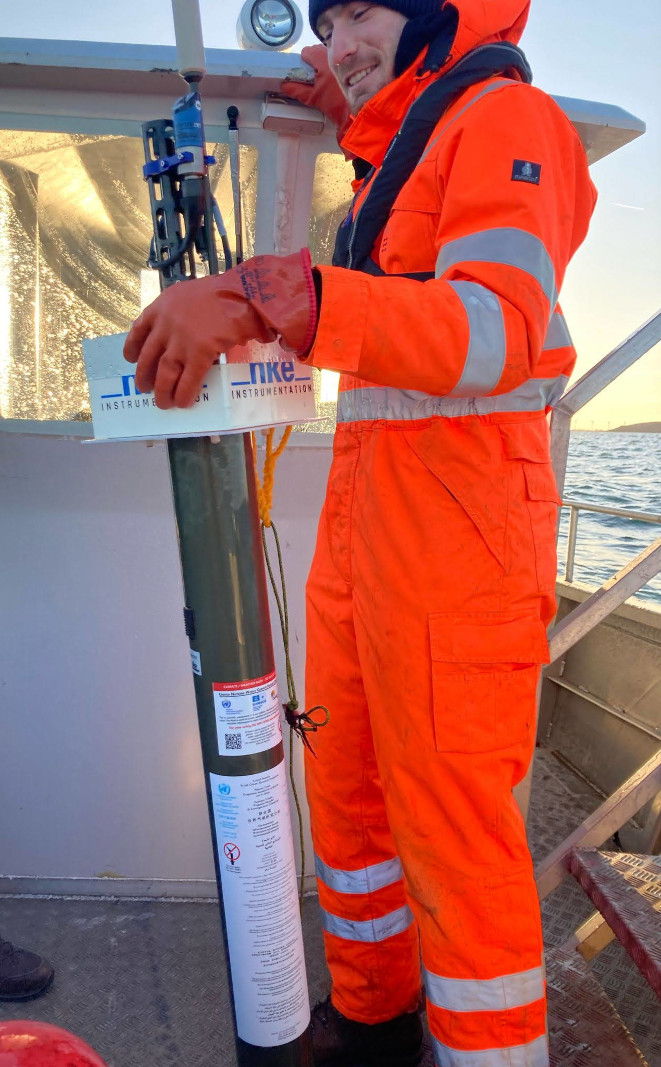
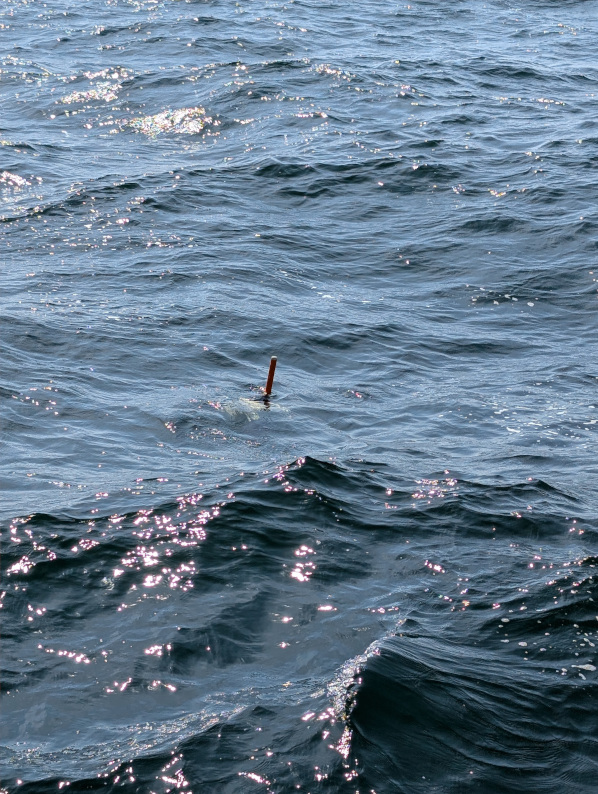
Denmark wants to use these to monitor their waters, but normal profiling floats are built to be
used in the Argo program, so are not suited to shallow Baltic waters, also these floats just
drift with the current, a real problem in coastal areas where they can just wash up on shore.
So we investigated what happens if we tie a rope and anchor a float to the sea bed, will it
still be able to move up and down in the water column, and send the data it’s collected? Sounds
like a very simple project, but a year of testing and a lot of work going into building
simulations of a tethered profiler later, show that it can work in shallow, calm waters, but
will struggle in deeper rough seas. To see more about the work we did, read our paper that will
be out soon (hopefully)! Thanks to my great colleagues at DTU for their help.